How Mobility Training Helps You Move Comfortably Every Day
Some of the movements that fill an ordinary day can start to feel stiff: stepping out of a car, turning to check over your shoulder, bending down to tie a shoe, or picking something up off the floor. None of these is hard in the way a workout is hard, but when they start to feel tight or awkward, you notice. Mobility training is one way to work on that. This post explains what mobility means, how it connects to strength, and how it fits into personal training at Live Oak Fitness on St. Simons Island.
What Mobility Training Is
Mobility is how freely your joints move through the range you need for daily life. Your shoulders, hips, spine, and ankles each have a range they are built to move through, and mobility is your ability to use that range comfortably and with control. Mobility training focuses on keeping and using that range.
It is easy to mix up mobility and flexibility. Flexibility usually refers to how far a muscle can lengthen, while mobility is about how well a joint moves. The two overlap, and both support how you get through your day. You do not need to memorize the difference. In practice, the question is whether the movements in your life feel easy or restricted.
How Mobility Shows Up in Daily Life
You usually notice mobility when a movement stops feeling easy. Reaching for something on a high shelf, turning to back out of a driveway, getting down to the floor and back up, or looking over your shoulder can all feel different when your joints are not moving as freely as they once did.
Daily habits play a part. If your day includes more hours at a desk or in the car, your body stays in the same position longer, and you may feel stiff when you finally stand up and move. Time away from training can have a similar effect. These are common experiences, and they are not a sign that something is wrong with you.
Noticing which movements feel tight is useful information. It gives you and your trainer something specific to work with.
Strength and Mobility Work Better Together
Strength and mobility support each other. Strength gives you control over your range, and good mobility lets you use that strength in more positions. When one gets ahead of the other, movement can feel limited even if your workouts are going well.
That is why we consider flexibility and mobility alongside strength when planning training. The idea behind personalized exercise planning is that your plan should reflect how your body actually moves and what you need it to do. Someone who spends most of the day on their feet may need a different emphasis than someone who sits for long stretches, and a plan built around you can account for that.
How a Private Session Is Structured
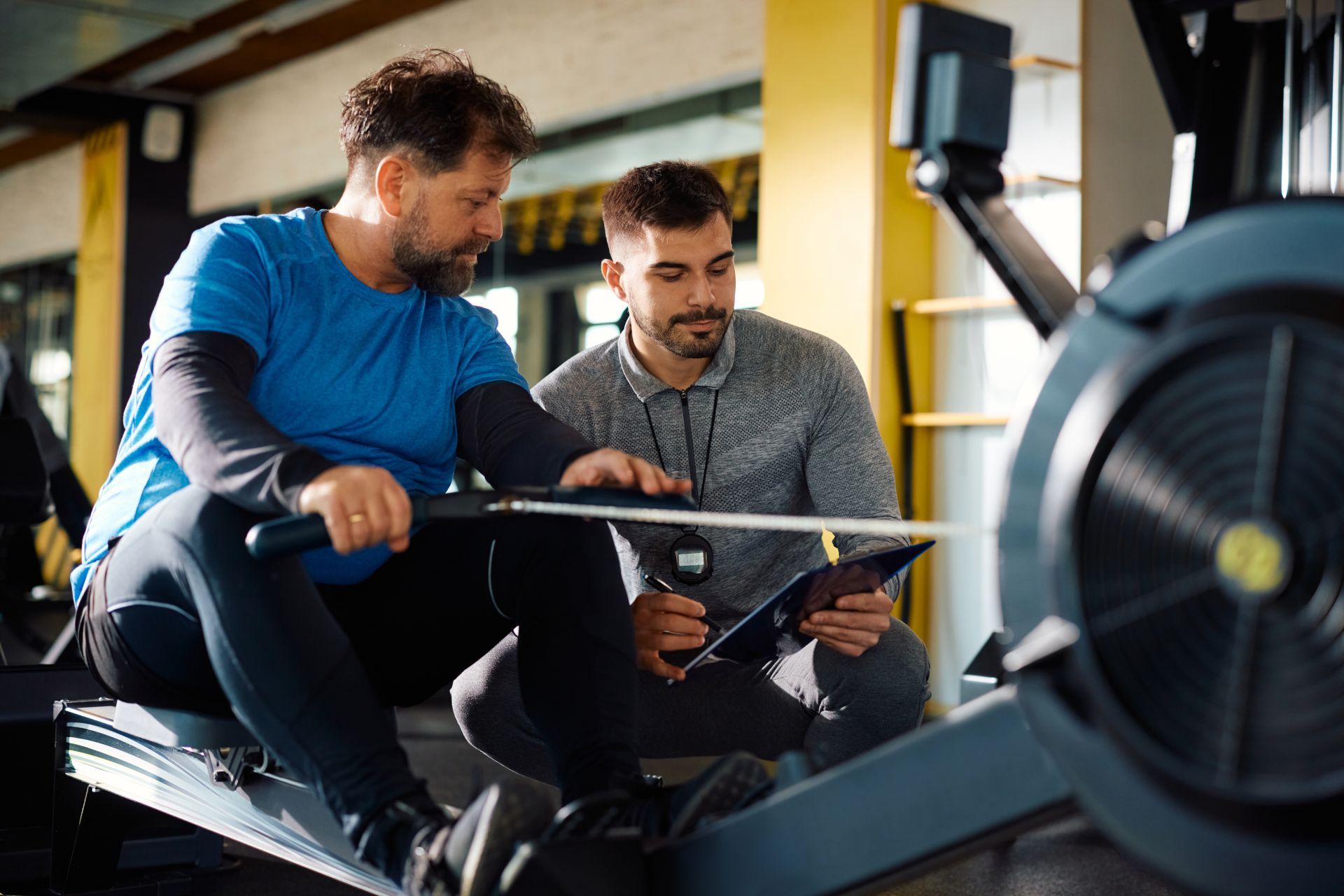
Every private personal training session at our fitness studio is one-on-one and by appointment. A session begins with a warm up, moves into a personalized workout, and finishes with flexibility training. In a 60-minute session, the final 20 minutes are flexibility training. In a 30-minute session, the final 5 minutes are. We also review your upcoming health and wellness goals during the session, and our staff stays with you throughout, adjusting the intensity to your fitness needs.
Because the work is built around you, the stiffness you notice in daily life can shape what your sessions focus on. Tell your trainer what feels tight, and the plan can adjust as your movement changes.
Starting Where You Are
You do not need to be flexible or experienced to begin. Mobility training starts from the range you have today and builds gradually from there. Some early soreness is common when you start something new, and sharp pain or soreness that does not ease up is something to tell your trainer about.
Progress looks different for everyone, so the only useful comparison is your own starting point. A realistic goal might be as simple as getting out of a chair or reaching a shelf with less effort. Goals like that are specific and yours, and your plan can be built around them.
Building Mobility Into a Routine You Can Keep
Steady practice usually does more for movement than occasional long sessions, so consistency counts for more than any single workout. A routine that fits your real week is easier to keep than an ambitious one that fades after a few weeks. If a full hour is hard to schedule, a 30-minute session still includes flexibility training, which keeps that part of your routine going during busy weeks.
Appointment-based training also helps you follow through. When a session is already on the calendar, you do not have to decide each day whether to go, which is the same accountability that helps fitness goals stick. A set schedule also makes it easier to notice change over the weeks, such as a movement that used to feel tight and now feels easier.
What to Tell Your Trainer
You do not need the right vocabulary to describe stiffness. Plain descriptions work well: what feels tight, which everyday tasks feel harder than they used to, and when you notice it most. Mention any past injuries or health conditions before you begin, since those shape where your plan starts.
If you ever feel sharp or lasting pain, tell your trainer and check with your healthcare provider. Mobility training is meant to help you move comfortably, and discomfort that does not ease up calls for a closer look from a professional.
How Personal Training on St. Simons Island Supports This
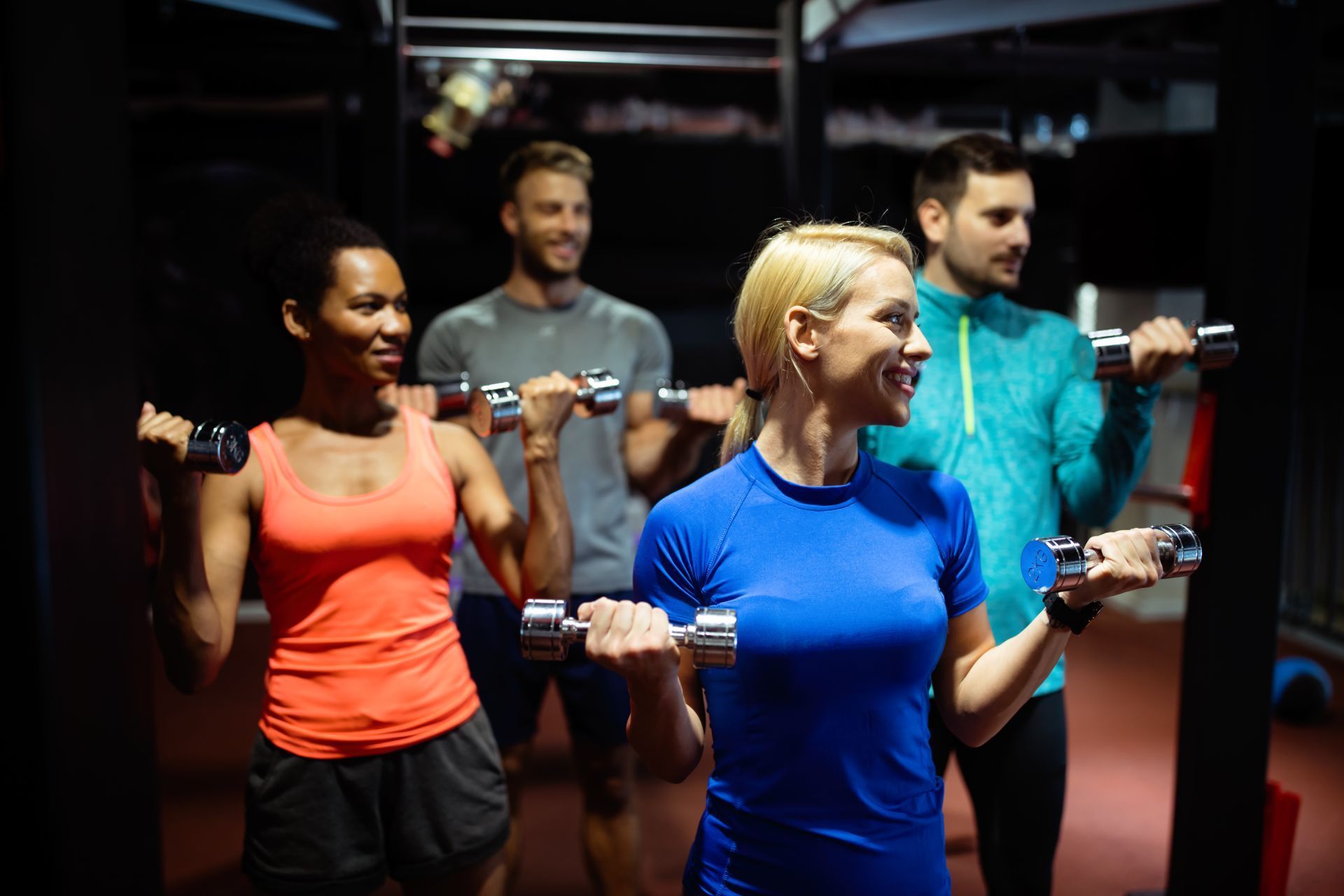
Our private sessions come in 30- and 60-minute formats, and dual training is available if a friend or partner wants to join you. If you like training with other people, group classes bring four to six people together in the same private studio. Classes run at three intensity levels. Level 1 is low intensity and designed for older adults building balance and strength. Level 2 is moderate intensity for people of all ages who are new to or returning to exercise. And Level 3 is high intensity for clients who like a high level of challenge.
Whichever format you choose, our team can help you build a plan around how you move and what you need to be able to do. You can also discuss which format fits your goals and schedule before you decide.
Begin With a Single Session
If everyday movement has started to feel stiff, scheduling a first session is a straightforward place to begin. Call 912-268-2594 for our St. Simons Island studio, or
visit our website to learn more about private training and group classes.