Understanding Muscle Weakness During Stroke Recovery in Decatur
After a stroke, many people find that their muscles just do not work the same way. Movements that once felt simple can suddenly require a lot of focus or feel harder to complete. Stroke recovery fitness in Decatur often begins with rebuilding strength, but it is not just about lifting weights or increasing repetitions. It is about helping the body relearn how to move safely and steadily after such a big change.
Muscle weakness can be frustrating, especially early in recovery. It can make everyday activities feel uncertain or out of reach. Some people might feel that one side of their body is lagging behind the other. Others may worry about falling or tiring too quickly. These are normal concerns, and recognizing them is an important step toward finding support that makes sense for you. At Live Oak Fitness, our role is to help people meet their body where it is and move forward from there. In our Decatur studio, you work one-on-one with a trainer in an exclusively private personal training space, which keeps your sessions focused on your specific recovery needs.
Why Muscle Weakness Happens After a Stroke
When someone experiences a stroke, the brain loses blood flow to certain areas. This change can affect how the brain sends signals to the muscles. If those signals are weaker or missing, the muscles they control may stop working the way they used to.
It is not always about general tiredness or not using the body enough. Muscle weakness after a stroke tends to be more specific. It can look like loss of control in an arm or leg, or having enough strength to begin a movement but not enough to finish it easily.
Another common pattern is that one side of the body is affected more than the other. This can change how a person walks, sits, or reaches for something. That small shift in movement can take extra effort, and that effort builds over time. Keeping this in mind can help reduce frustration and improve focus on what needs attention next.
What Muscle Weakness Feels Like During Movement
As people begin to move again during recovery, weakness often shows up in subtle and not-so-subtle ways. These include things like:
- Muscles trembling after short activities
- Longer time needed to lift or extend a limb
- Feeling off balance, or needing help to steady yourself
These experiences are not just about getting stronger. They often reflect how the brain and body are trying to work together again. You might notice that tasks you once completed quickly now take more thought. Or that after a few steps, your foot feels heavy or less responsive.
Seeing these signs as part of the recovery, not a step backward, can change how we approach the work ahead. With patience, these signals help guide what kind of support will be most useful at each stage.
How Consistent Movement Helps Build Back Strength
Movement helps the body and brain reconnect. It does not have to be intense or fast. What matters most is doing a little at a time, regularly, and listening to what feels safe.
Low-impact activities often work best. These movements are gentler and easier to adjust, especially when energy changes from day to day. A consistent rhythm, not perfect performance, can help the body feel more stable and ready over time.
Stroke recovery fitness in Decatur focuses on this kind of balance. It is not about pushing hard every session, but about noticing what works and making steady progress. At Live Oak Fitness, training can include cardiovascular conditioning, flexibility work, muscular strength and endurance, and continuing rehabilitation after cardiac events, stroke, illness, or injury, so your sessions support both strength and overall function. Small improvements matter. Something as simple as holding balance for a few extra seconds or walking through a hallway without pausing becomes a marked shift when you are moving with care.
The Value of Professional Guidance in Recovery
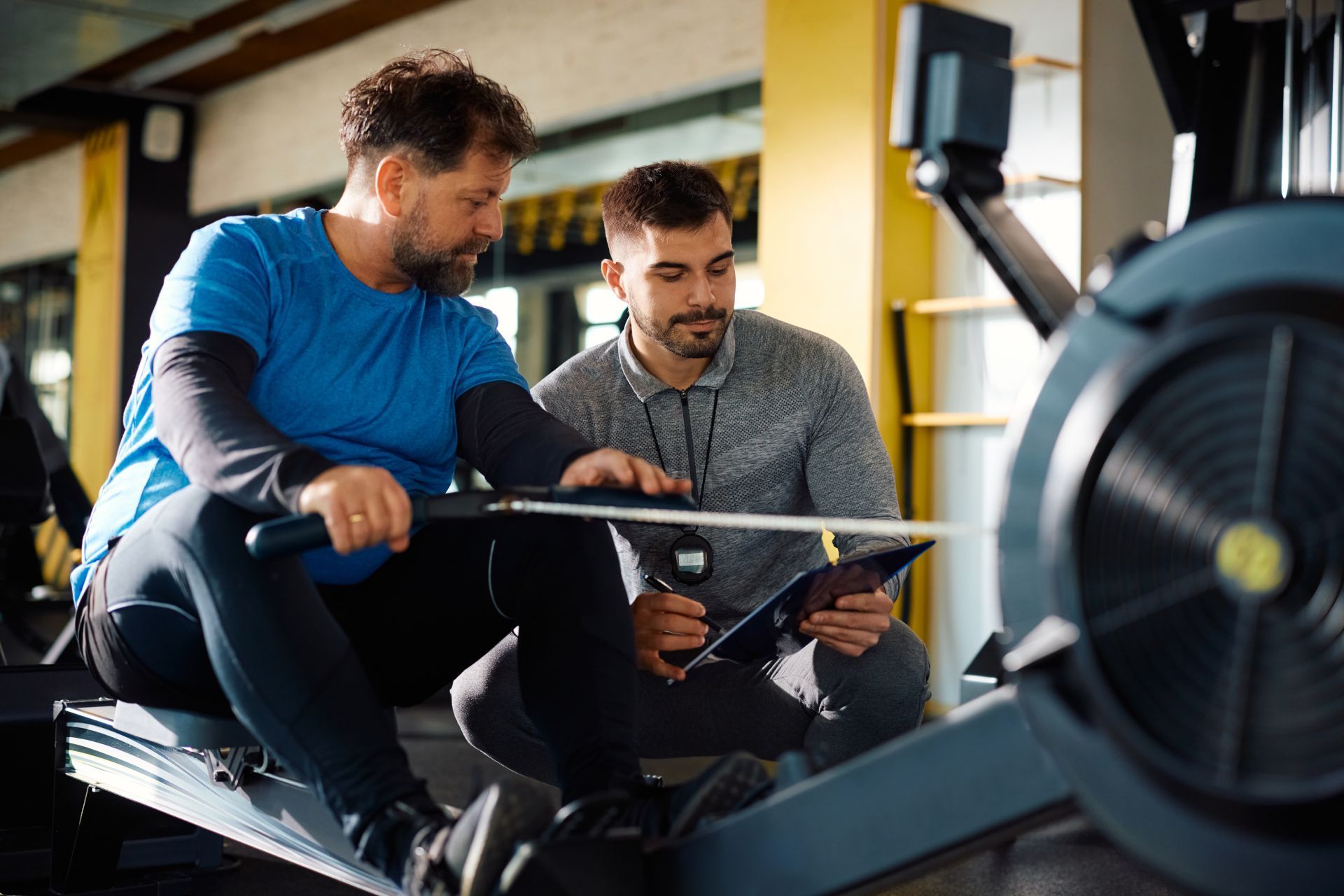
Having the right kind of help can take a lot of the guesswork out of recovery. When someone is trained in post-stroke movement, they bring insight into what is safe and what needs extra attention.
Sessions guided by someone who understands stroke recovery can be shifted in real time. If a movement feels off, it can be paused or changed to match where you are that day. This extra layer of care supports not just physical safety but can also add emotional relief.
Progress might show up slowly, but steady steps forward often include:
- A better sense of control in one part of the body
- Less shakiness in completing daily actions
- Feeling more balanced or aligned during movement
These shifts may seem small from the outside, but they often mark the start of stronger, more confident movement in the weeks ahead.
Strength That Works With You
Rebuilding strength after a stroke takes time, but it does not have to feel like a race. You do not need to rush. You just need to keep showing up when and how you are able. Each step adds up, especially when taken with steady support.
Every person’s body rebuilds differently, and there is value in noticing what is changing, even if it looks small from the outside. It is important for your health and safety to always check with your doctor or a personal trainer at Live Oak Fitness before beginning any workout program.
When we talk about stroke recovery fitness in Decatur, we focus on what can help now, not months from now. Matching your strength plan to your real daily needs matters more than following a set routine. And when that plan feels realistic, it is easier to stick with it. Confidence grows from seeing what your body can do when it is met with care and patience.
If you’re beginning your recovery journey and want expert support tailored to your needs, our team is here for you. At Live Oak Fitness, we provide guidance that respects where your body is and helps you build from there. If you’re looking for focused support in a quiet space, our
private training studio in Decatur
could be the right fit. Let us help you rebuild strength with care, one step at a time.