Why Your Cardio Plateau Might Be Happening
Sometimes it feels like you're doing everything right but still not making progress. That’s how a cardio plateau can sneak up on you. One day you’re feeling strong during your runs or bike rides, and the next you’re wondering why nothing is changing. It can feel like you're just going through the motions, especially when you’ve been working out regularly at your fitness center. As a private personal training studio on St. Simons Island, our trainers at Live Oak Fitness offer an exclusively private training space with a staff focused on your goals and the accountability you need to stay consistent.
Cardiovascular fitness programs are meant to strengthen your heart, improve your stamina, and help with endurance. But even when you’re following a solid plan, your body can hit a standstill. That’s when it's time to take a closer look at what might be holding you back and what needs to change. A little knowledge goes a long way, and understanding what a plateau is can help you move past it more effectively.
What a Cardio Plateau Looks Like
If your cardio sessions are starting to feel stale, you’re not alone. There are a few common signs that suggest your body has adapted to your current routine, and they’re not always easy to spot at first. Here’s what to pay attention to:
• You’re doing the same type of cardio, but no longer seeing progress in endurance
• Your heart rate doesn't respond as it used to, even during intense parts of your workout
• You feel more bored or disconnected during your session
• Physical changes have slowed down or stopped
• You’re showing up, but not feeling the same sense of drive or motivation
All of these are clues that your body has adjusted and isn't responding the way it did when you first started. It’s not a sign to stop, but rather an invitation to rethink your routine.
Common Reasons a Plateau Happens
Cardiovascular fitness works best when it includes variety, steady progression, and support from other movements. When those pieces are missing, the results tend to level off. Three of the biggest reasons your cardio might stop improving are predictable but often overlooked.
1. You keep doing the same exercises in the same way. Over time, your body becomes efficient, which means it’s not working as hard to get the job done.
2. You’re only doing cardio and leaving out resistance or strength training. When your muscles don’t get the challenge they need, your whole body can stall in performance.
3. You aren’t pushing your intensity. If you’re not reaching your target heart rate or adjusting your speed or incline, your heart isn’t being pushed in a meaningful way.
The good news is that once you understand the source, it’s easier to switch things up in a way that works.
Local Factors on St. Simons Island That May Influence Progress
Living on St. Simons Island means we get to take advantage of beautiful weather and open spaces, but even those have limits when it comes to regular workouts. During cooler winter months, your routine might be affected by a few local factors you hadn’t considered.
• Colder temps and shifts in humidity can change how you breathe and how your body performs
• Using the same outdoor routes over and over again might stop offering the mental or physical challenge they once did
• Without help from a fitness center or trainer, it’s easy to fall into a routine that feels safe but no longer moves you forward
As winter continues, it’s worth thinking about whether your environment is setting you up for progress or has slipped into comfort zone territory. Variety doesn’t just help the body; it also helps the mind stay interested.
Refreshing Your Cardiovascular Fitness Program
Once you know you're in a plateau, the next step is to make your workouts more effective without overdoing it. This is where support and thoughtful changes make the difference. Even small tweaks can give your program new energy. At Live Oak Fitness, our training programs can combine cardiovascular conditioning with flexibility work, muscular strength and endurance, and continuing rehabilitation after cardiac events, stroke, illness, or injury, so your heart health is supported from several angles. Here are a few ideas to consider:
• Add in cross-training. That might mean swapping one cardio day for something like swimming or rowing
• Try interval workouts where you go hard for a short period, then recover, then repeat
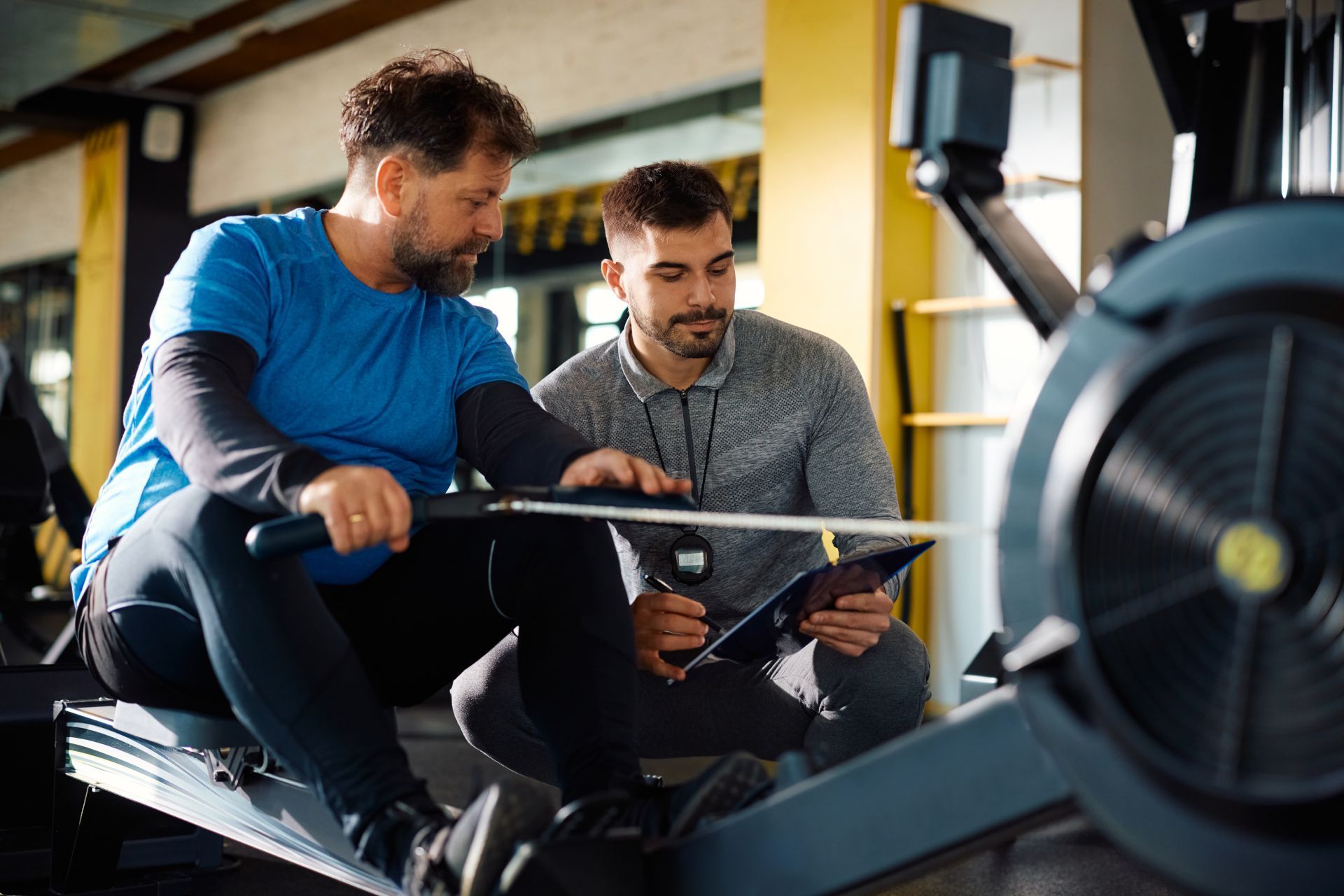
• Work with a trainer who can guide you through these changes so you don’t do too much too fast
• Switch locations or equipment to reengage your focus and body through new demands
• Adjust your schedule to reflect your current energy levels, especially during the winter months
On St. Simons Island, small group classes at Live Oak Fitness are held in an exclusively private studio, are limited to four to six participants, and are offered in three intensity levels, which gives you structured ways to progress your cardio routine in a supportive setting. Cardiovascular fitness programs don’t have to stay rigid. Flexibility and balance often lead to new breakthroughs.
Your Path to Renewed Progress
Getting stuck in the same cardio cycle is more common than you might think. Instead of getting discouraged, use it as a sign that your routine needs a new direction. A plateau doesn’t mean your progress has ended, just that it's time to approach things differently.
With a few deliberate shifts, your body can start responding again, your motivation can pick back up, and your endurance can continue to grow. Change doesn’t have to be extreme to be effective. A refreshed approach might be all you need to start seeing progress again.
If your cardio routine has been feeling more like a chore than a challenge, you're not alone. A structured and supportive environment can be exactly what you need to regain momentum and see real progress. Our
personal trainers on St. Simons Island
can help you reassess your goals and create a customized plan that reignites your drive. At Live Oak Fitness, we're here to help you move past the plateau and back into progress.