Understanding Your Movement Limits During Winter Recovery
In February, colder mornings in Decatur can make it harder to move the way you'd like. Muscles often feel tight, joints might not be as flexible, and energy can dip more quickly than it does during warmer months. If you're coming back from an injury or getting back into a routine after time off, these colder conditions can have a bigger impact than you expect.
Recovery during winter has its own pace. Trying to rush it or ignore the signs your body is sending can do more harm than good. That’s why knowing your movement limits is important, especially if you’re doing rehabilitation and recovery fitness. Simple adjustments to how and when you move can make your winter progress feel steadier and safer.
At Live Oak Fitness, we take steps to help our clients keep workouts effective and matched to where they are, especially during seasonal transitions in Decatur. Our private personal training studios are set up so you work one-on-one with a trainer in a quiet space with a clear exercise plan built around your current needs and goals.
How Winter Impacts Movement and Recovery
Cooler weather can make moving more difficult for lots of people, even those who are usually active. When temperatures drop, and your body isn’t fully warmed up, muscles tighten and may not respond the same way they do during mild seasons. This can lead to stiffness, slower movement, and longer warm-up times.
Moving with tight muscles increases the chance of overworking a part of the body that's not fully ready. Winter in Decatur isn’t extreme, but even small shifts in humidity and temperature can slow joint mobility or prolong recovery time after exercise.
For people easing back into movement or sticking to rehabilitation and recovery fitness, this means:
Planning extra time for stretching before and after activity- Choosing movements that don’t demand too much too soon
- Adjusting expectations about speed or stamina during colder weeks
Awareness of how your body reacts to winter helps you avoid unnecessary strain and makes it easier to focus on long-term progress. Being more careful doesn’t mean doing less. It just means acting with more purpose and patience. At Live Oak Fitness, training can include cardiovascular conditioning, flexibility work, muscular strength and endurance, and continuing rehabilitation after cardiac events, stroke, illness, or injury, so winter adjustments still support your long-term recovery.
Recognizing When You've Almost Reached Your Limit
It’s common to want to push through discomfort to make progress. But recovery takes a different kind of attention, one that starts with knowing what’s helpful and what’s too much.
You may be going past your limit if:
Soreness lasts longer than usual or shows up after lighter movements- You feel drained after simple exercises instead of slightly challenged
- There’s sharp pain instead of mild tightness in recovering areas
Those signs tell you your body needs more time, support, or rest. Overexertion can slow your healing or reset the gains you’ve worked hard for. Pushing past discomfort isn’t always a sign of determination; it can be a sign to pause.
Knowing your limits isn’t easy, but we’ve seen that when people slow down and move carefully, they often move forward more steadily over time. Fewer steps backward lead to more consistent progress overall.
Adjusting Your Routine to Match Winter Needs
Colder months don’t have to derail your recovery or make you feel stuck. They just call for a few changes in approach. Since the body reacts more slowly in the winter, a simple recovery session might need a longer warm-up or a lighter intensity than you used in the fall.
Helpful ways to make your winter sessions more recovery-friendly include:
Building in extra time to stretch before doing any strength or cardio work- Lowering your usual intensity during class or personal sessions
- Repeating familiar movements that feel safe and controlled
Your goals might still be the same, but the route to reach them could shift slightly. Rather than chasing more challenging workouts each week, try focusing on showing up regularly and moving in ways that feel steady. Every consistent day adds up.
Over time, your body will start to adjust again, and you’ll likely notice strength and stability return, even if it doesn’t come with fast results. Recovery in winter often looks like keeping your base steady until spring makes it easier to increase activity.
When to Ask for Professional Guidance
When you’re in recovery mode, guessing on what to do next can create more confusion than confidence. That’s especially true during winter, when your energy and pacing don't quite match what you're used to.
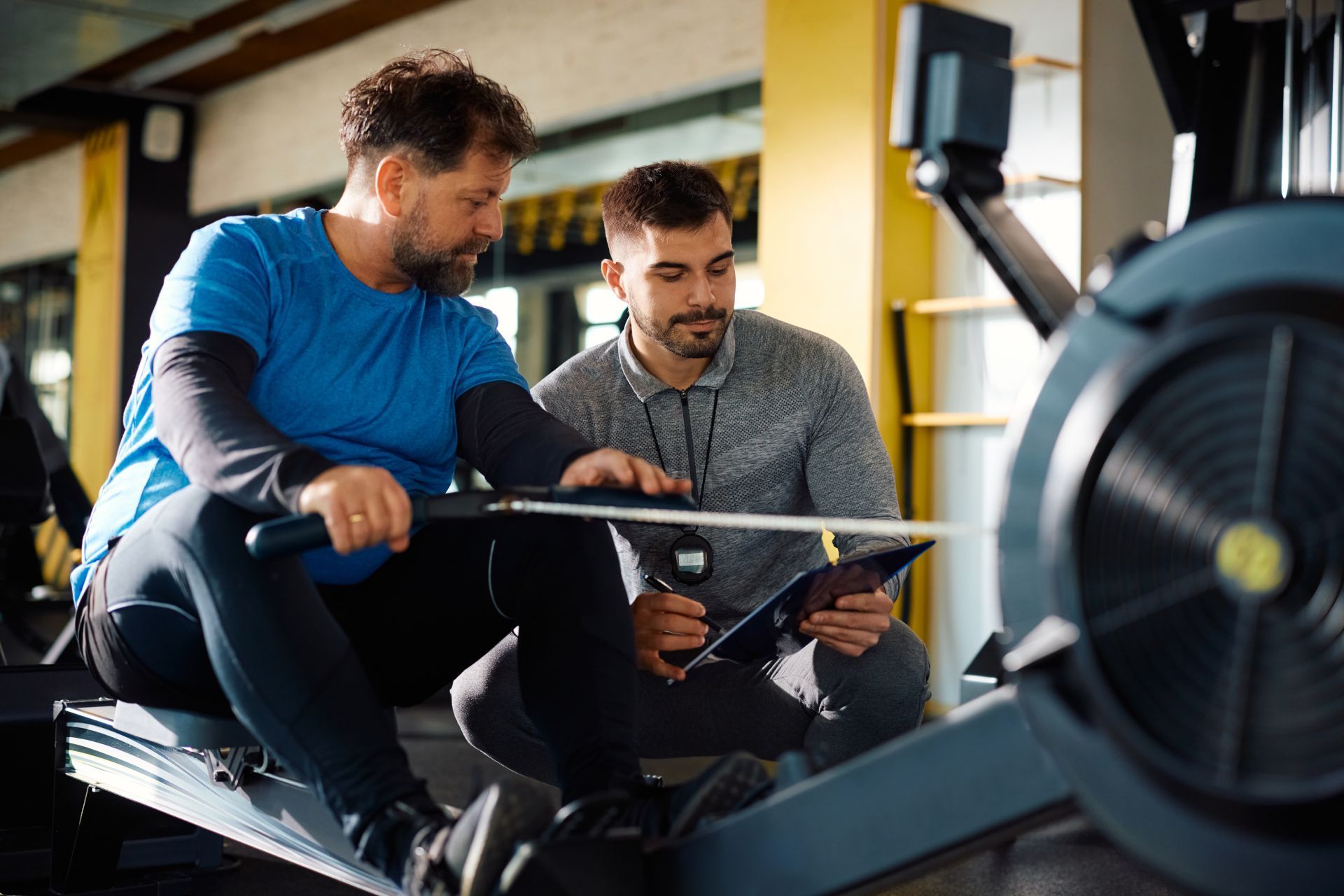
Trainers who understand rehabilitation and recovery fitness can help guide your choices to reduce the risk of setbacks. If you’re unsure about form, pacing, or how to adjust for the colder season, getting feedback makes a big difference. Some people benefit from individual coaching, while others prefer small group or private sessions that still leave room for corrections and updates.
Comfortable, safe recovery should still feel like progress. Clear feedback from someone who knows your injury history or movement challenges helps you avoid routines that hold you back. And just as importantly, a bit of outside input can help you recognize patterns your body is telling you, but you're not used to hearing yet.
Don’t wait until you feel stuck to ask questions. Recovery isn’t a straight line, and it makes sense to check in when things feel off, too slow, or unclear.
A Path Forward That Respects Your Recovery
Getting through winter while in recovery asks for trust, patience, and minor adjustments. When the season causes your muscles to slow or your body to stiffen, don’t ignore those signals. They’re cues to change how you move, not to stop moving altogether. Recovery during colder months isn’t about backing down; it’s about staying consistent with care.
Learning when to pause, when to scale back, and when to keep going is part of doing rehabilitation and recovery fitness well. Winter motions might be slower or simpler, but they still count. Progress doesn’t stop; it just looks different for a while.
At Live Oak Fitness, we work with people in Decatur to support safer movement and steady progress, especially during these colder transitional months.
Staying active and safe during winter recovery is all about the proper guidance and structure. If you're unsure how to adjust your pace or movements, working with a dedicated
personal trainer in Decatur
can help turn uncertainty into steady progress. At Live Oak Fitness, we create supportive sessions tailored to your body and your goals, especially during colder months. Let us help you move forward with confidence this season.