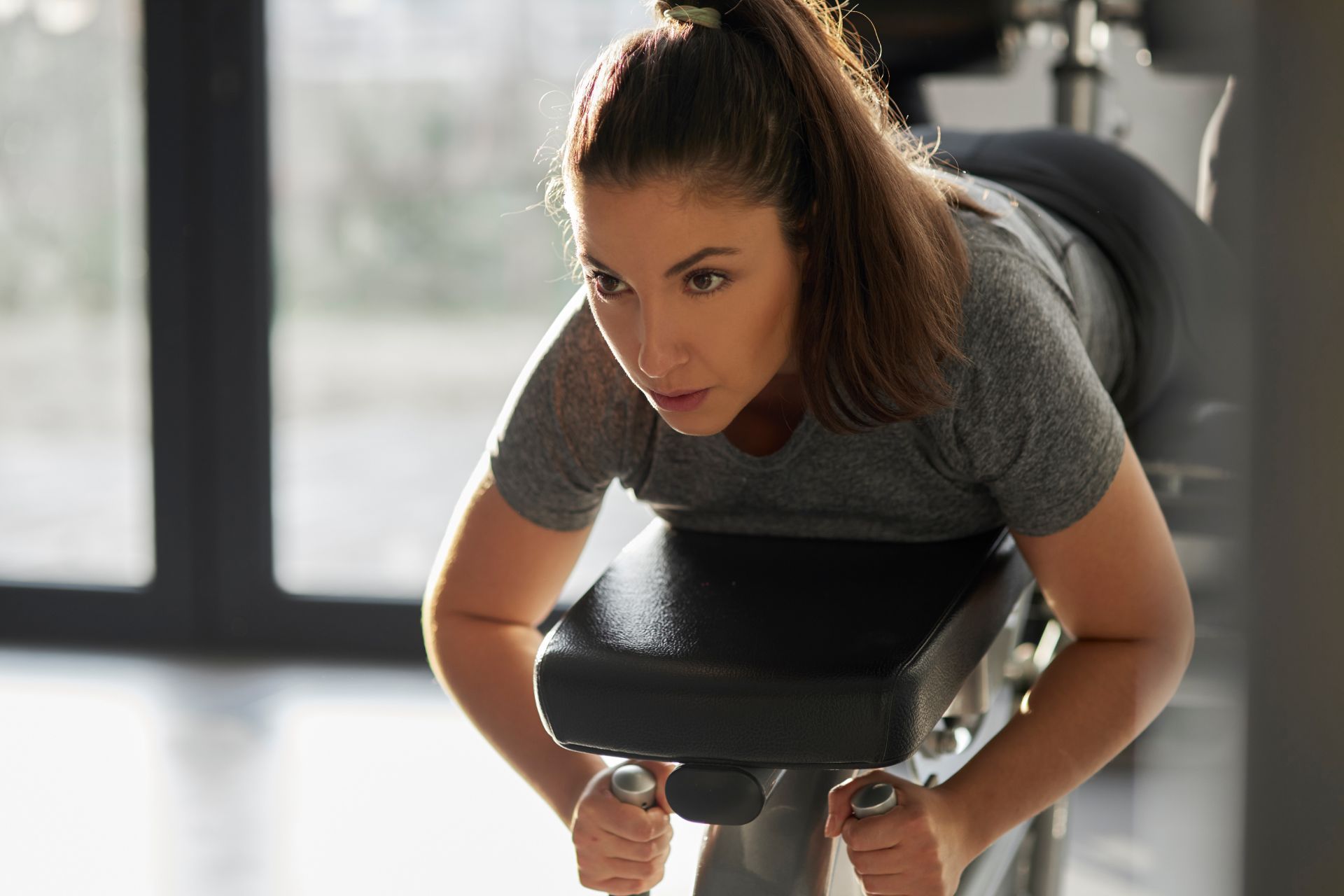
Non-Scale Victories: Signs Your Training Is Working
When you start training, it is natural to look for a number that tells you whether it is working. The scale is easy to check, and it gives a quick answer. The trouble is that a single number cannot show how you move, how your energy holds up throughout the day, or how a session feels now compared with your first week. Those changes can be easy to overlook if the scale is the only thing you are watching.
In this post, we will cover what non-scale victories are, which ones to look for, how to keep track of them, and how personal training at Live Oak Fitness on St. Simons Island can help you notice progress along the way.
What Non-Scale Victories Are
A non-scale victory is any sign of progress that does not come from a number on the scale. You might notice it in your body, in your daily routine, or in the way you approach a session. Some are physical, like moving more comfortably. Others are about habits and confidence, like being able to do something you couldn’t before or keeping every appointment for a month.
These changes count as progress in their own right. They reflect real differences in how you live and feel, and you can notice them in the middle of an ordinary day.
Why the Scale Does Not Tell the Whole Story
A scale measures one thing. It cannot tell you whether you feel steadier on your feet, whether a long day takes less out of you, or whether you look forward to your next session. Those are all signs that training is doing something for you, and none of them show up as a number.
Training goals do not always involve weight, either. Some people want to move more comfortably, keep up with family, or feel stronger in everyday life. A single number is a poor gauge for goals like those.
Looking at the full picture also helps in weeks when the number does not budge or moves in a direction you did not expect. Progress can still be happening in other places, and it is easier to see when you know where to look.
Non-Scale Victories to Look For
Everyone's list looks a little different, but these are good places to start.
Everyday Tasks Feel Easier
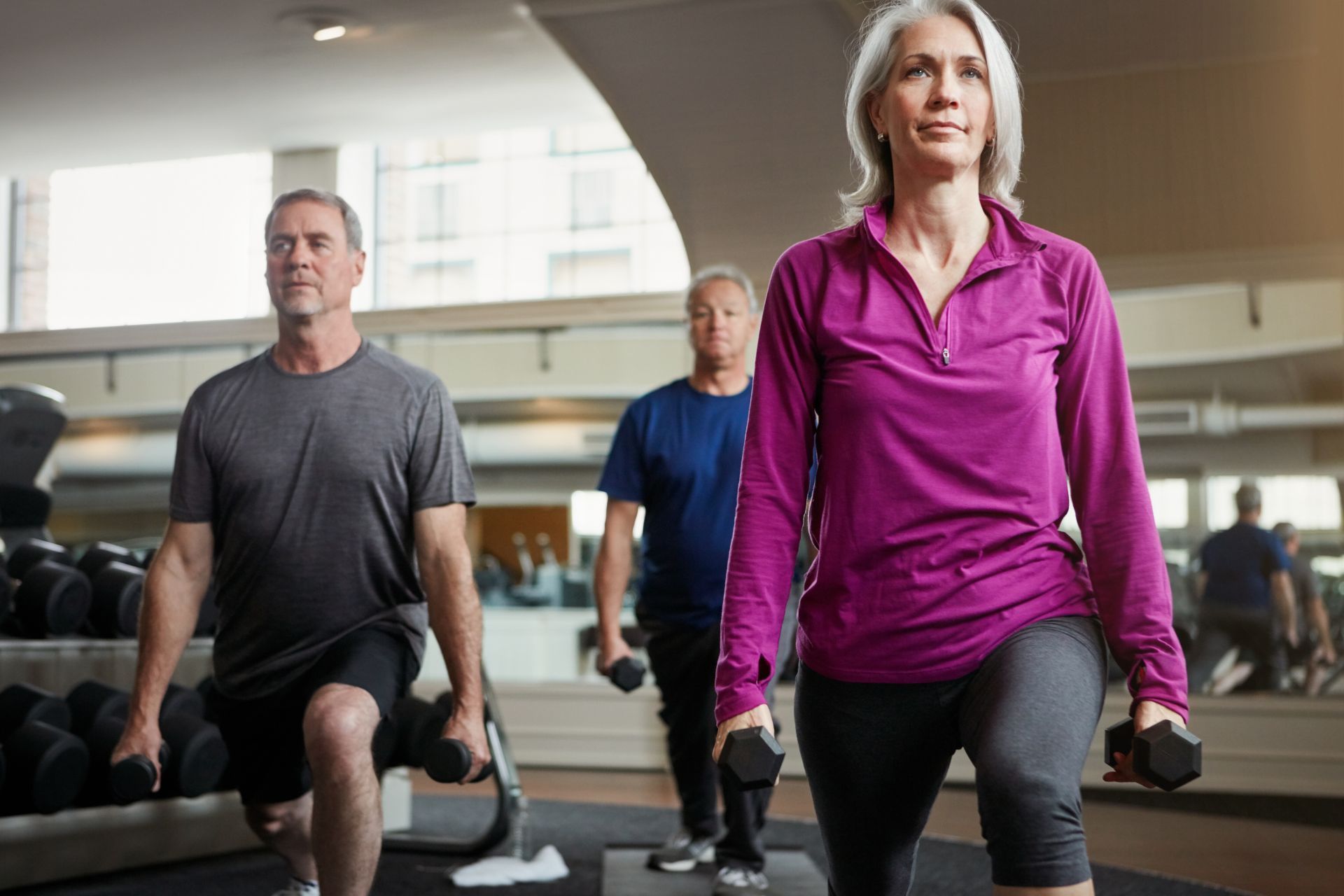
Think about the physical tasks that fill an ordinary day: going up a flight of stairs, carrying bags in from the car, getting down to the floor and back up, or standing through a long afternoon. When one of these starts to feel easier, that is a sign your body is adjusting to training. It is also the idea behind how training supports everyday movement, since the aim is to help you move well in daily life and in the studio.
Energy and Mood
Some people notice more energy throughout the day or a better mood after a session. Regular exercise can support mental well-being, and its benefits can show up in small, everyday ways. These changes build up slowly and rarely feel like a single event, making them easy to miss unless you pay attention.
Sessions Feel More Manageable
A session that felt hard in your first few weeks may start to feel more comfortable. You might feel more at ease with the plan, recover from it more easily, or finish a session feeling like you could do more. No number records this, but it is one of the clearer signs that your body is adapting.
Showing Up Consistently
Keeping your appointments week after week is a victory too. It takes planning, and it builds a habit that supports everything else. A scheduled session adds the kind of accountability that helps you reach your goals, which makes it easier to keep going through a busy stretch.
Feeling Less Stiff
Some people notice they feel less stiff after training, or that getting up and moving after a long stretch of sitting is easier. Each of our sessions closes with flexibility training, so this is a change to watch for as the weeks go by.
How to Notice and Keep Track
Progress you do not write down is easy to forget. A few simple habits help:
- Start with what you want to be able to do. A goal like getting through a day of errands without feeling worn out, or getting up from the floor with ease, gives you something to notice that no scale can measure.
- Write a few lines after each session. A sentence about how you felt, how your energy was, or what seemed easier is plenty.
- Check in once a month. Pick two or three things to look at, such as how everyday tasks feel, how your energy is by late afternoon, or how a recent session feels compared with your first one.
- Compare yourself with where you started. Your own starting point is the only fair comparison, and someone else's progress tells you little about yours.
Reading your own notes from a month ago can show changes you had stopped noticing. They also give you something specific to share with your trainer.
When Progress Feels Slow
Some weeks, nothing seems to move. Training feels the same, and the scale, if you use one, is not changing either. That is a good time to look at the other signs. If everyday tasks feel easier and you are keeping your appointments, you are still making progress, even when the change is gradual. If you do feel stuck, there are practical ways to break through a plateau that start with looking at your routine as a whole.
Noticing small changes also helps with motivation. When you can point to something that has improved, it is easier to keep going on a day when you do not feel like training.
The busy weeks leading up to the holidays can make progress harder to see, as schedules fill up and routines shift. Writing down what you notice keeps your progress visible when everything else is crowded.
How Personal Training at Live Oak Fitness Supports This
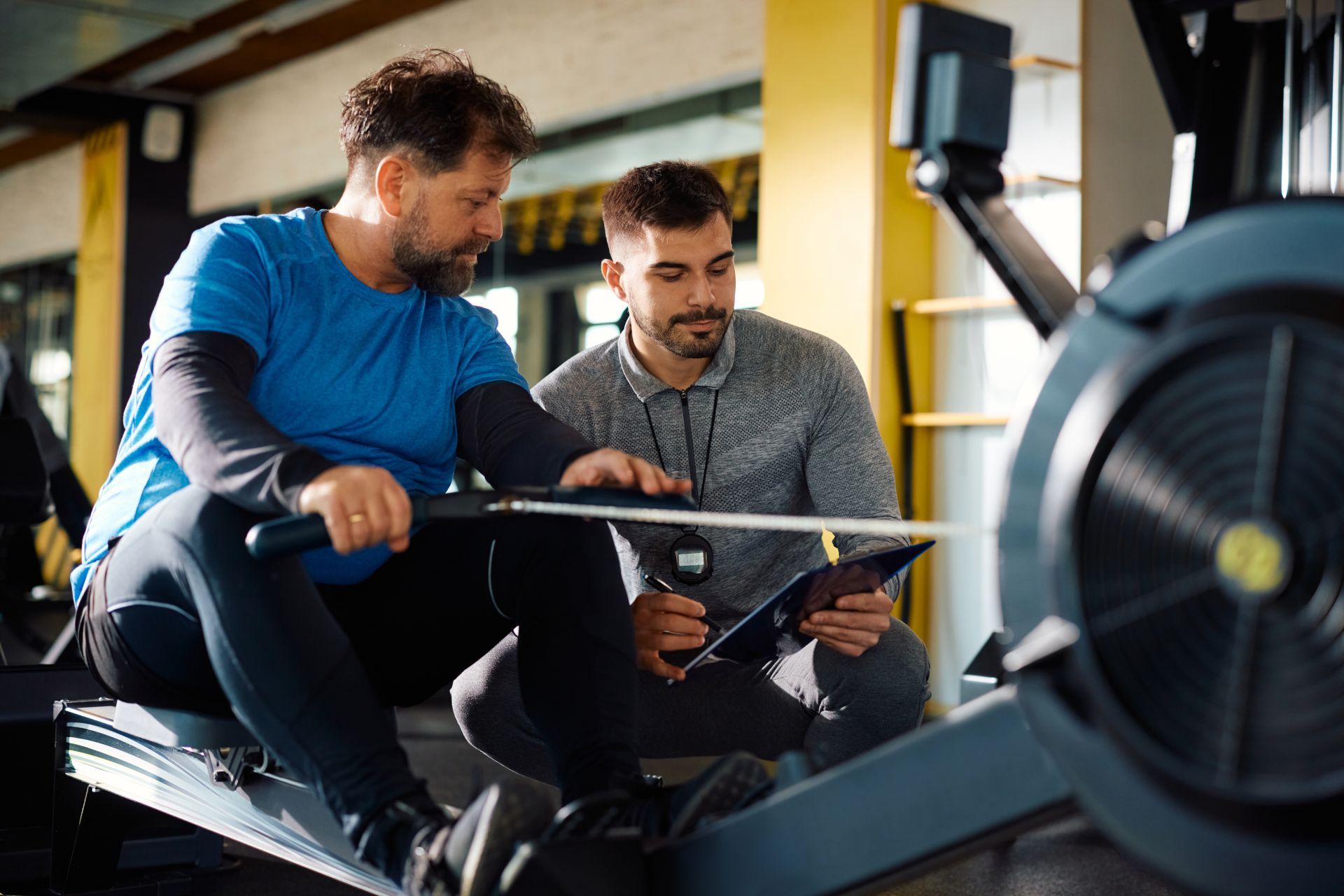
Our private personal training sessions are one-on-one and by appointment, and each one includes a review of your upcoming health and wellness goals. That gives you a regular place to share what you have noticed, whether it is an easier week, more energy, or a task that no longer feels like a struggle. Our staff stays with you through each session, focused on your form and technique, and can adjust the intensity to your fitness needs.
If you are new to training or coming back after time away, tell your trainer what you would like to be able to do. That gives your plan direction and something to look back on as your goals change.
If you like training with other people, group classes bring four to six people together in our private studio for 30- or 60-minute classes at three intensity levels. Classes are scheduled by appointment, and training alongside others can be a good source of encouragement.
Notice What Is Already Changing
You may be further along than the scale shows. Think back to where you were a month or two ago, and write down what feels different now. If you would like help setting goals that fit you and keeping track of your progress, call 912-268-2594 for our St. Simons Island studio, or
visit our website to learn more about personal training on St. Simons Island.