Finding the Right Fitness Trainer on St. Simons Island to Protect Your Joints
Protect Your Joints Before Summer Activities
Living an active lifestyle on St. Simons Island is a delight, whether you are golfing, playing pickleball, or walking beneath the oaks. However, increased physical activity can often cause old injuries to resurface. To remain active while avoiding the return of past pain, reach out to Live Oak Fitness. Our trainers specialize in joint protection and are ready to help you during your initial consultation.
If you have a cranky knee, a stiff lower back, or a shoulder that has been through physical therapy, the right kind of training really matters. Training with joint health in mind helps you stay active without constantly worrying about the next flare-up. It is not about avoiding movement. It is about choosing smart movement that respects your history.
Not every fitness trainer on St. Simons Island is prepared to work around pain or past injuries. Some are great at tough workouts but do not know how to adjust for a replaced knee or a repaired shoulder. We want to walk you through how to tell if a fitness trainer is truly equipped to support your joint health so you can feel safer and more confident as your activity level rises.
Why Specialized Experience Matters on St. Simons Island
On St. Simons Island, we see a wide variety of people. Some are retirees who want to play golf, walk the beach, and keep up with grandkids. Some are year-round residents who ramp up biking and tennis when the weather is nice. Others visit for a season, then decide to stay longer and want a fitness center that feels safe for their bodies.
In all of these groups, past injuries are common. Knees that ache on stairs, lower backs that complain after yard work, and shoulders that do not love overhead motion. When those bodies meet a “no pain, no gain” style trainer, things can go wrong fast.
A trainer who ignores your history can easily choose movements that are too loaded, too fast, or too jarring. That is when setbacks happen, especially if you have a history of:
- Past surgeries
- Joint replacements
- Recent physical therapy
- Current pain or stiffness
A trainer focused on long-term mobility looks at things differently. They focus on:
- Post-rehab support, so you do not lose the progress you made in PT
- Safe strength progression, so your muscles support your joints
- Long-term joint comfort, so daily tasks feel easier, not harder
The payoff is simple: more comfortable walks, an easier time carrying groceries, more confidence getting on and off the floor with kids, and a better chance of staying active without constant stop-and-start due to pain.
The Injury History Intake You Should Expect
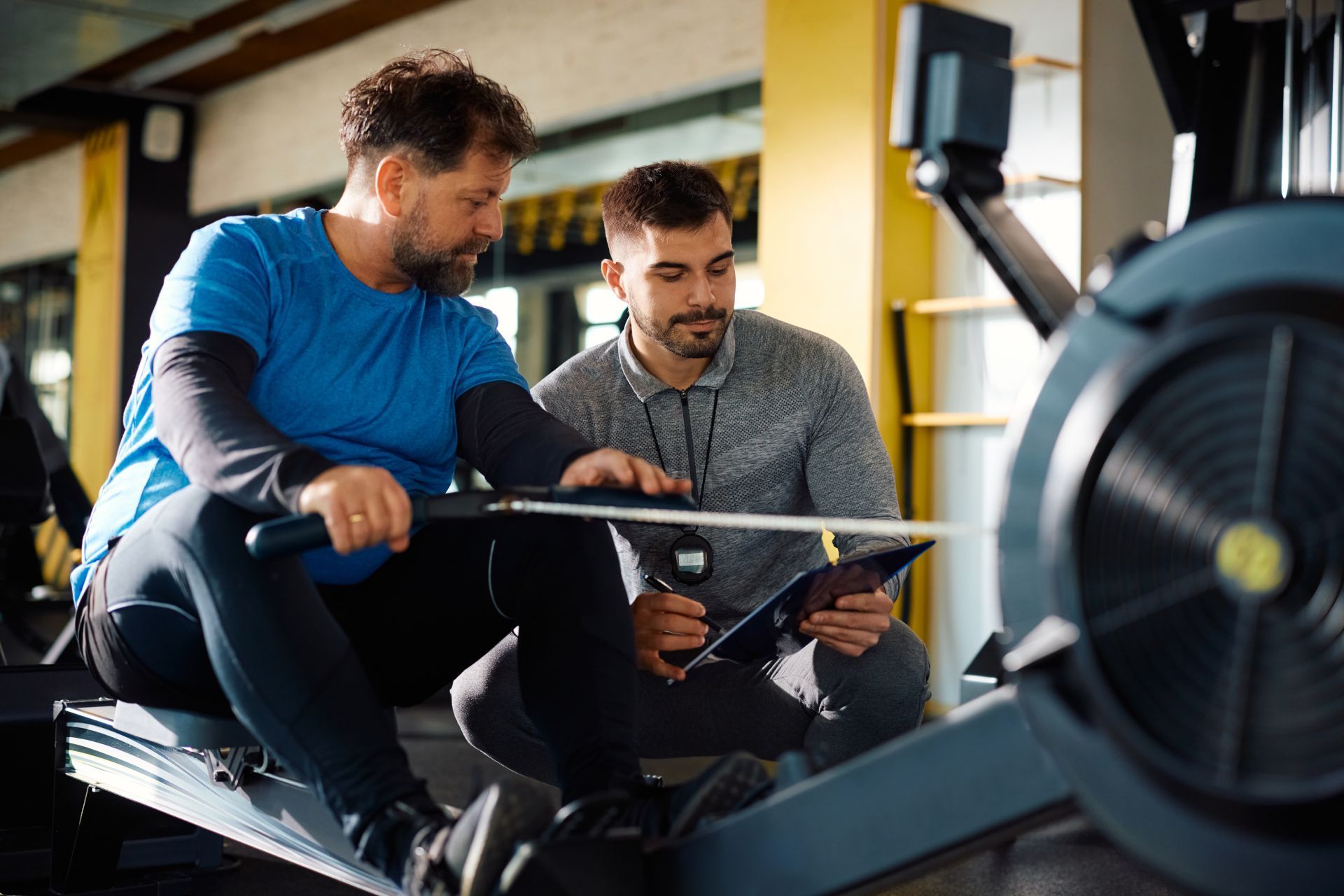
Your first meeting with a trainer tells you a lot about how they approach safety. A mindful trainer will spend real time on your injury history before handing you any weights.
A thorough intake usually includes written questions plus a friendly conversation about:
- Previous injuries and how they happened
- Surgeries or joint replacements
- Pain patterns, such as what triggers pain and what eases it
- Flare-ups, including how often they happen and how bad they get
- Medications related to musculoskeletal issues, if you are comfortable sharing
- Movements you are afraid of, or that already feel unsafe
While documentation is a useful starting point, personal dialogue is equally vital. This interaction allows you to describe your physical preferences and limitations in detail. Furthermore, it serves as an indicator of the trainer's attentiveness, their ability to ask pertinent questions, and their level of respect for your personal boundaries.
Watch for red flags during intake:
- They skip or rush past health and injury questions
- They move you straight into intense or high-impact exercise
- They shrug off your pain as “normal” or say you just need to “push through”
- They make you feel guilty, judged, or dramatic when you share concerns
When a trainer takes the time to understand your history, they can design sessions that work with your body, not against it.
Smart Mobility and Movement Screening for Safety
After the intake, a safety-focused trainer will want to see how you move. This does not mean a stressful test. It should feel more like a guided check-up of basic patterns.
Common screens might include:
- Gentle body-weight squats or sit-to-stand from a chair
- Light hip hinges, like a partial bow, to see how your back and hips move
- Overhead reaches or wall slides for your shoulders
- Simple balance drills, such as standing on one leg near support
- Relaxed range-of-motion checks for ankles, hips, and shoulders
A safe screening looks calm and clear. The trainer should explain each movement, ask you how it feels, and remind you that you can stop at any time. They should be watching closely and taking mental or written notes, not just counting reps.
What they do with this information is even more important. A thoughtful trainer will:
- Identify tight areas that might need extra warm-up
- Notice weak links that need strength before harder moves
- Choose safer starting positions, like using support or partial range
- Set short-term goals around comfort and function, not just sweat
When you are preparing for a more active season, this kind of screening can be the difference between building up safely and rushing into things that your body is not ready for.
Exercise Regressions, Progressions, and Pain Adjustments
You will hear trainers talk about regressions and progressions. In simple terms, regressions are easier versions of a movement, and progressions are harder versions. A trainer skilled in post-rehab or injury prevention needs to have both ready to go.
Here are a few common examples of modifying movement for sensitive joints:
- Squats: using a box or chair to control depth, or holding onto support
- Push-ups: starting with hands elevated on a wall or bench instead of the floor
- Overhead work: limiting the range or doing landmine presses instead of full overhead presses
- Cardio: picking lower-impact options like cycling or walking instead of running or jumping
The key is flexibility inside the session. Your trainer should:
- Check in about pain during sets, not just at the end
- Adjust the exercise or range of motion if something pinches or hurts
- Offer an alternate move right away, without making you feel like a problem
- Take notes on what to avoid or change next time
You should never feel forced to work “through the pain.” Working around mild muscle effort is normal, but sharp, stabbing, or joint pain is a signal to change the plan. A good trainer respects that and acts fast.
Choosing the Right Fitness Trainer on St. Simons Island
When you are ready to pick a fitness trainer on St. Simons Island, it helps to have a simple checklist. A trainer who knows how to protect your mobility will usually offer:
- A thorough health and injury intake
- Careful, low-pressure movement screening
- Clear exercise regressions and progressions
- Regular pain check-ins and on-the-spot adjustments
- A calm, private fitness center setting that feels comfortable, not chaotic
During a consultation, you might ask:
- “How do you handle old injuries like mine?”
- “What would my first month of training look like with my history?”
- “How do you decide when to make things harder or pull back?”
At Live Oak Fitness, we focus on private and small-group personal training, with tailored, mindful programs on St. Simons Island. Our goal is to help you feel stronger and more confident in your body so you can enjoy the island without worrying about every step.
Start Building Your Stronger, Healthier Routine Today
If you are ready to train with a coach who understands your goals and your schedule, work with a dedicated
fitness trainer on St. Simons Island from Live Oak Fitness. We will design a personalized program that fits your current fitness level and helps you progress safely and confidently. To schedule your first session or ask questions about how we work, simply
contact us, and we will follow up with you.