Safe Outdoor Workouts on St. Simons Island All Year Long
Why Outdoor Workouts Shine on St. Simons Island
Exercising outdoors on St. Simons Island can feel almost effortless. The ocean air, marsh views, and long daylight hours make it easy to want to move your body outside. With mostly mild weather year-round, you are not stuck inside when you want to walk, jog, or strength train.
That said, the island’s heat, humidity, and storms can sneak up on you if you are not prepared. Safe outdoor workouts require a little planning to protect your joints, skin, and energy. At Live Oak Fitness on St. Simons Island, our personal training services help you design outdoor workouts that fit your goals and the local climate, so you can enjoy the island and still train smart.
Know Your Environment
On St. Simons Island, the weather can feel different from one hour to the next. Many days are warm and humid, and storms can move in quickly. Heat and thick air put extra stress on your body, so it helps to check the forecast for temperature, humidity, and storm chances before you step outside.
The terrain also changes fast as you move around the island. You might go from sidewalk to boardwalk to sand in a single walk. Each surface affects your balance and impact.
- Firm-packed sand near the waterline is easier on your joints than deep, dry sand
- Boardwalks and wooden bridges can get slick when wet
- Paved paths and neighborhood streets are great for a steady pace if you watch for traffic
- Roots, shells, and uneven patches call for slower, shorter steps
Timing matters just as much as route choice. In the warmer months, early morning and early evening are usually the safest times to exercise outside. Midday sun can feel intense, even when there is a breeze. On milder days, you may have more flexibility to head out when it suits your schedule, as long as you listen to your body.
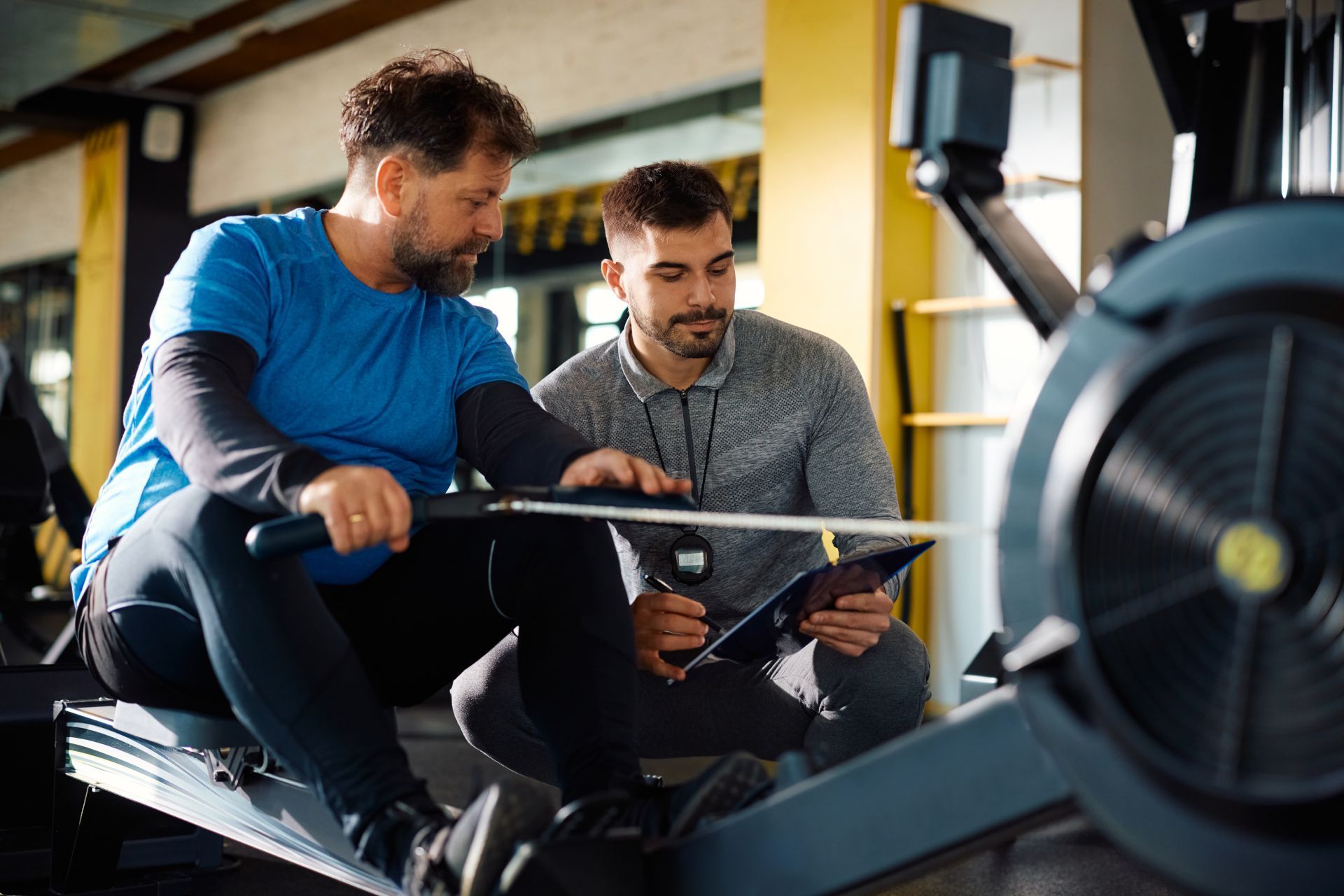
A fitness trainer on St. Simons Island can help you pick safe routes and ideal workout times based on tides, heat, and humidity, so you are not guessing.
Dress Smart and Gear Up for Safety
What you wear can make outdoor movement feel either comfortable or miserable. Light, breathable clothing that pulls sweat away from your skin can keep you cooler. Wear simple layers you can add or remove as the day warms up, such as short-sleeve or long-sleeve tops and shorts or leggings that let you move easily and provide decent sun protection.
A few helpful basics include:
- A brimmed hat to shade your face and eyes
- Sunglasses with good coverage
- Moisture-wicking T-shirts or athletic tops
- Mid-length shorts or leggings that do not ride up
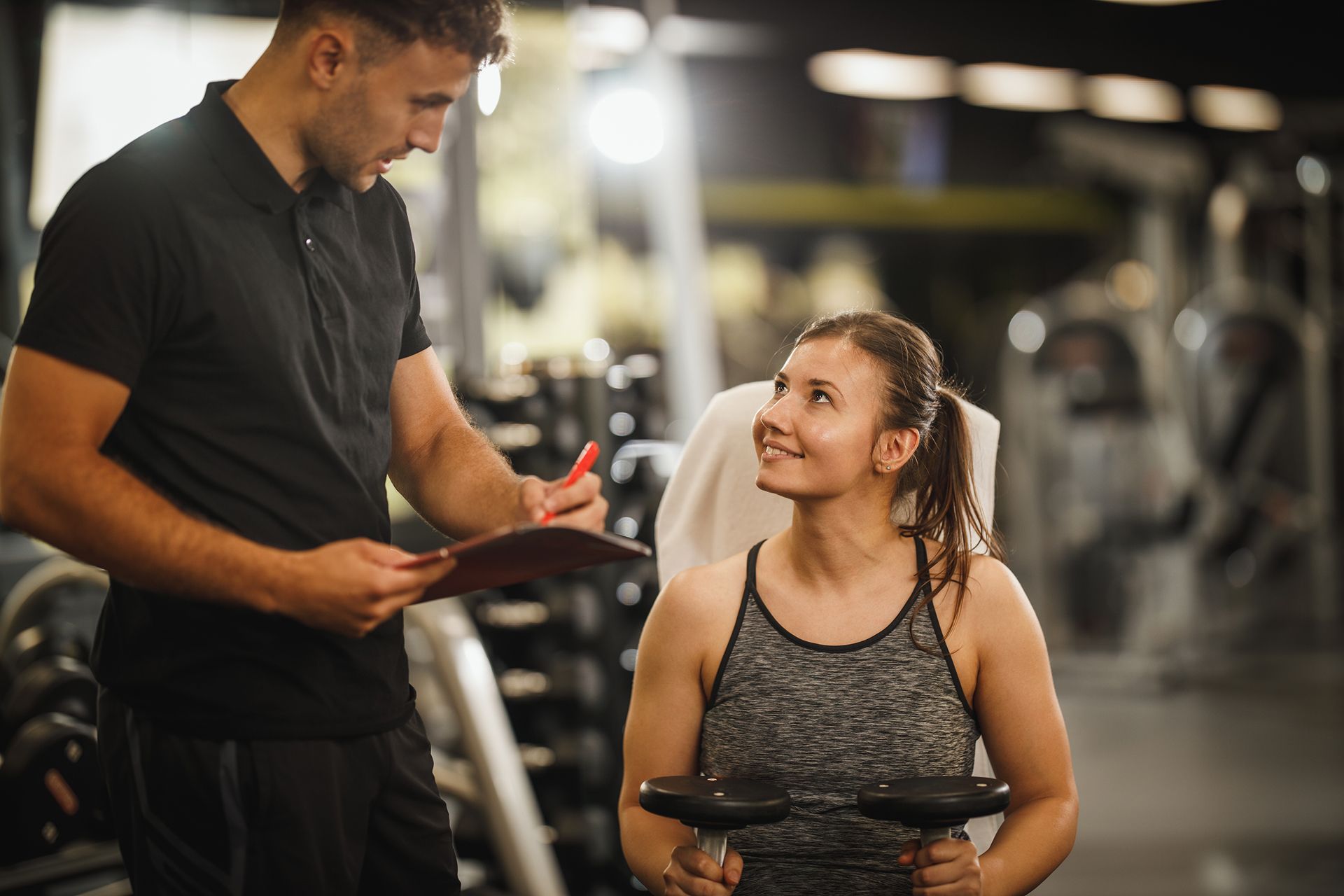
Shoes are another key piece of safety gear. Supportive walking or running shoes with good traction help you handle sand transitions, slick spots, and uneven paths. During personal training sessions, your fitness trainer can recommend the right footwear and ideal clothing for the surfaces you will be using.
It is also smart to carry a few small extras. A charged phone, a piece of ID, and a couple of bandages or blister pads can make a big difference if something unexpected happens. If you plan to be out at sunrise or sunset, reflective strips, a small clip-on light, or a reflective vest can help drivers and cyclists see you.
Seasonal Strategies for Safe Outdoor Workouts All Year Long
Even in a mostly warm climate, your outdoor plan should shift a bit with the calendar. Long summer days feel very different from shorter, breezy fall afternoons.
In warmer times of year, focus on:
- Shorter workout intervals with planned rest breaks
- Training in shaded areas when possible
- Gradually building your intensity instead of jumping in at full speed
- Watching for signs of overheating, like headache, chills, or feeling lightheaded
When the air feels a bit cooler or breezier, your muscles may need a little more time to wake up. Start with a gentle warm-up, like five to ten minutes of easy walking and simple arm circles and leg swings. Light layers help you stay comfortable as your body temperature rises, and you can always tie a layer around your waist once you feel warm.
Rain, storms, and gusty winds should be monitored. Wet boardwalks and painted crosswalks can be slick, and strong winds on open beaches can throw off your balance. On those days, it can be smarter to move your workout to a covered spot or adjust your plan. With personal training, you can create a flexible plan that shifts between outdoor and fitness center sessions as the weather changes, keeping your routine steady without taking unnecessary risks.
Smart Use of Local Spaces: Beaches, Parks, and Paths
One of the best parts of exercising on St. Simons Island is the variety of spaces you can use. Each area offers different benefits if you approach it with safety in mind.
Beach workouts work well when you choose firm sand near the waterline. This surface is easier on your knees and ankles than concrete and still gives your muscles a good challenge. You can mix:
- Brisk walking or gentle jogging
- Bodyweight squats, lunges, and step patterns
- Short side shuffles or light agility drills if the sand is even
Parks and green spaces can double as outdoor strength areas. Benches can be used for step-ups, supported push-ups, or seated mobility work. Stairs can provide steady cardio if you move with control and a secure hand on the rail.
Multi-use paths and neighborhood streets are great for walking and running, as long as you pick well-lit, lower-traffic routes. Stay to one side, be aware of cyclists and cars, and keep headphones low enough that you can still hear what is going on around you. Many personal training clients on St. Simons Island enjoy a mix of beach sessions and park-based strength training to keep their routines interesting and safe.
Listening to Your Body and Knowing When to Work With a Fitness Trainer
Outdoor workouts should leave you feeling worked but not wiped out. One simple way to gauge intensity is the talk test. If you can speak in short sentences but not sing, you are likely in a good moderate zone. In heavy heat and humidity, even this level can feel tougher, so it is important to be honest with yourself.
Build in a gentle warm-up and cool-down around every outdoor session. Start with easy movement to gradually raise your heart rate, then finish with slow walking and simple stretches for your hips, calves, chest, and shoulders. This supports joint comfort and reduces stiffness later in the day.
Pay close attention to warning signs such as:
- Sudden dizziness or feeling like the world is spinning
- Unusual shortness of breath that does not ease with rest
- Sharp or stabbing pain anywhere in your body
- Nausea or chills in hot conditions
If these show up, stop, sit, or lie down in a shaded spot, and get help if things do not improve quickly. A fitness trainer on St. Simons Island can show you how to adjust intensity so your joints and muscles stay healthy, even as the weather shifts.
Teaming up with a trainer who knows the local environment can make outdoor workouts feel less stressful and more enjoyable. At Live Oak Fitness, we blend fitness center sessions on St. Simons Island with customized outdoor plans so you can stay active year-round in a way that fits your body, your schedule, and the island you love.
Start Building Strength and Confidence Now
If you are ready to feel stronger, move better, and have a clear plan that fits your lifestyle, we are here to guide you. Our
personal training programs
at Live Oak Fitness on St. Simons Island are tailored to your goals, schedule, and current fitness level. Whether you are just getting started or looking to break through a plateau, we will help you take the next step safely and effectively. Have questions or want to book a session?
Contact us
today.