Recognizing Safe Exercise Limits on St. Simons Island Fitness Centers
Knowing Your Limits Before You Lift a Weight
Safe exercise is not about holding back; it is about knowing how far to go today so you can come back and train again tomorrow. When you understand your limits, you are much less likely to deal with pulled muscles, angry joints, or long breaks from the activities you love. That matters a lot in a place like St. Simons Island, where people want to walk the beach, play golf, paddle, and stay active outdoors.
Pushing yourself is important if you want to get stronger or move better. The problem starts when “pushing” turns into “ignoring” what your body is telling you. Good training should leave you tired, not broken. At Live Oak Fitness on St. Simons Island, they focus on smart progress and safety, so you can work hard and still protect your long-term health.
How to Recognize Your Personal Exercise Limits
Not all discomfort in a workout is bad. In fact, some of it means you are doing something right. Normal workout feelings can include muscles feeling heavy, tired, or wobbly near the end of a set, along with a mild burning sensation in the working muscles. It is also normal to breathe faster during a hard set or short burst of effort, and to be warm and sweaty without feeling sick or lightheaded.
Warning signs are different. These are signals to stop right away and talk with a fitness trainer or medical professional. Sudden, sharp, or stabbing pain is one clear example. So are dizziness, gray or blurry vision, or feeling like you might pass out. Chest pressure, tightness, or pain, especially if it spreads to the neck, jaw, or arm, needs immediate attention. Another major red flag is a joint that feels like it might “give out,” slide, or collapse under you.
Your limits are not the same every day. They can change based on past injuries or surgeries, how fit you are right now (not how fit you were years ago), and how much sleep you got the night before. Daily stress from work, family, or travel matters too, and heat and humidity can change what is safe and realistic, even inside, especially when it is hot outside on St. Simons Island.
Simple self-checks during a workout can help you stay inside a safe zone:
- Talk test: During many exercises, you should be able to say a short sentence. If you cannot get out more than one or two words, you may be pushing too hard for that set.
- Breathing quality: Breathing should be strong but steady. Gasping, wheezing, or feeling like you cannot get air is not normal.
- Form quality: When your form breaks down, your body is telling you that muscle control is fading. That is often a good place to stop the set.
- Recovery time: Your heart rate and breathing should start to settle within a minute or two after a working set. If you still feel shaky or “off” after that, you may need a longer rest or lower effort.
Warning Signs You Should Never Ignore During Workouts
Some symptoms mean the workout needs to stop right away. These are not “push through it” moments. They are “put the weight down now” moments. Stop immediately and get help if you notice:
- Chest pain, squeezing, or heavy pressure
- Pain that spreads into your arm, back, or jaw
- Sudden shortness of breath at very low effort
- Confusion, trouble speaking clearly, or sudden extreme fatigue
- Feeling like you might faint, or actually fainting
Your muscles and joints also give you important signals. A loud pop, crack, or snap with sudden pain is a major warning. It is also a problem if a joint locks up or will not move through its normal path, or if a knee, hip, or shoulder feels like it might “slip” out from under you. Pain so strong that it makes you limp, twist, or change how you move right away is another sign that something is wrong and needs attention.
Heat adds another layer, especially when the air is warm and sticky, like it often is around St. Simons Island. Even in a fitness center, you may feel:
- Very heavy sweating followed by chills or goosebumps
- Nausea, upset stomach, or the urge to throw up
- A pounding headache or feeling “foggy” and not quite yourself
- Trouble staying balanced or paying attention
These are signs your body is not handling the stress well. When in doubt, stop and tell a fitness trainer how you are feeling.
Smart Ways to Progress Safely in a Fitness Center
Safe progress is more about small steps than big jumps. Your muscles, tendons, and joints need time to get used to new loads. A smart plan usually includes:
- Adding a little weight at a time, not stacking on big plates all at once
- Adding a few reps or an extra set only when the current work feels solid
- Extending cardio time slowly so your heart and lungs can keep up
- Taking planned rest days so your body can recover
Professional programming at Live Oak Fitness on St. Simons Island can help balance strength, mobility, and recovery. When those pieces work together, your movements stay more controlled, which is easier on your joints and spine.
A good fitness trainer will:
- Watch your form closely from different angles
- Change an exercise if it hurts, feels unstable, or seems too complex right now
- Adjust sets, reps, or tempo based on how you are moving that day
- Match your sessions to your age, training history, and specific goals
This kind of guided progress lets you work hard without having to guess what is safe.
Post-Rehab and Long-Term Pain: Setting Safe Boundaries
If you have had surgery, joint replacements, back problems, or long-term pain, your limits need to be clear and respected. The old saying “no pain, no gain” can cause real harm in these cases. You can still get stronger, but the path looks different.
Post-rehab support in a fitness center can sit between physical therapy and fully independent exercise. The focus is often on controlled, smooth movement that does not trigger pain, on building strength within a pain-free range of motion, and on gradual challenges that build confidence as well as muscle.
A fitness trainer may modify exercises in many simple ways:
- Smaller range of motion, like a partial squat instead of a deep squat
- Slower tempo so you can feel each part of the movement
- Extra support from a bench, strap, or stable surface
- Different equipment choices, like cables or bands instead of heavy free weights
These changes help protect vulnerable areas while still giving your body a clear signal to adapt and improve.
Partnering With a Fitness Trainer Who Puts Safety First
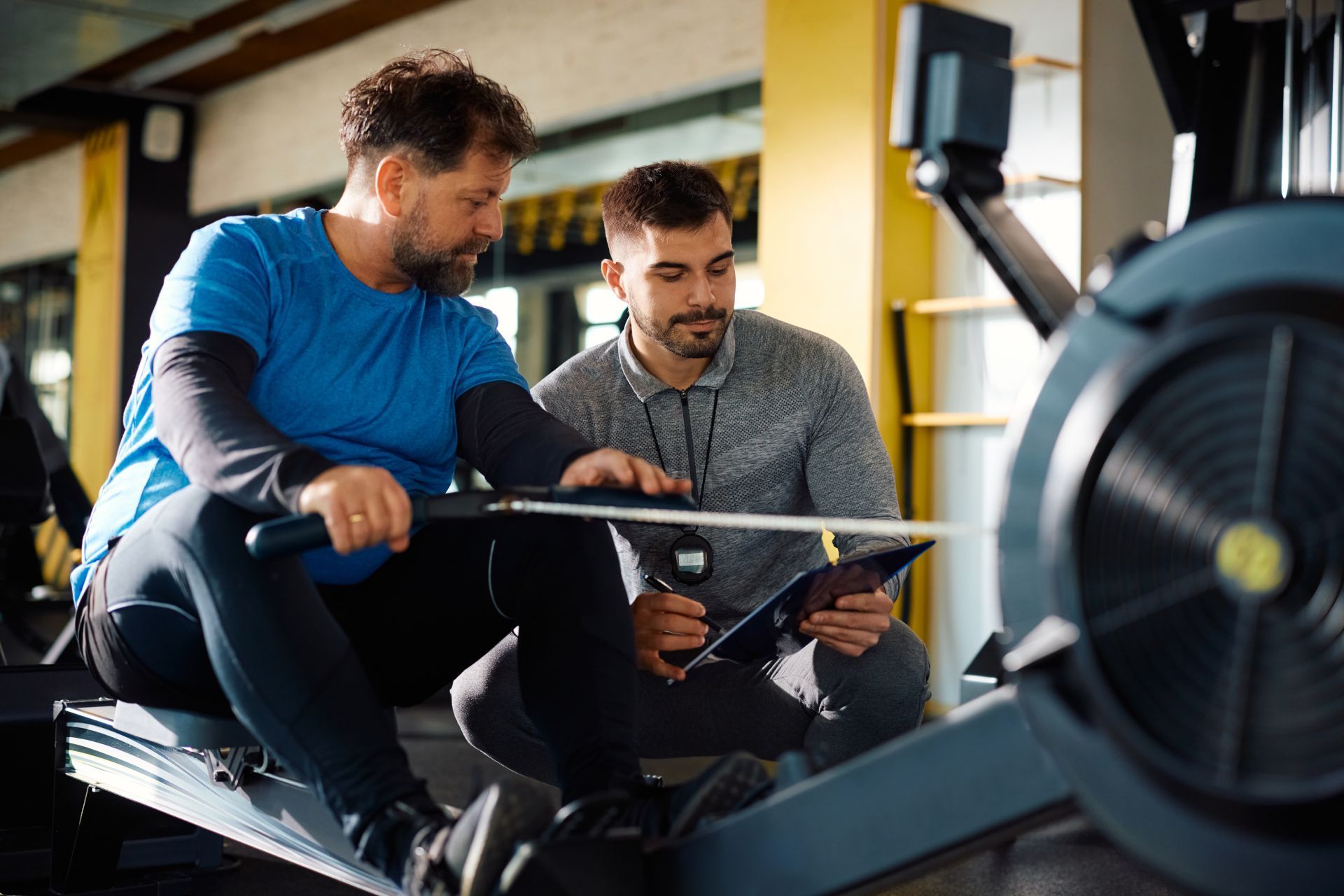
A safety-focused fitness trainer is not just counting reps. They are quietly checking many details while you move. They look at head, shoulder, hip, and knee alignment, along with breathing patterns and whether you hold your breath. They also watch the way fatigue shows up in your posture and face, and they notice small compensations, like one side doing more work than the other.
When you choose a fitness center, it helps to ask clear questions. For example, you might ask how they:
- Assess new clients before starting a program
- Record and respect past injuries or medical limits
- Track progress so you know when to move up and when to hold steady
- Adjust plans on days when you feel sore, tired, or stressed
At Live Oak Fitness, we focus on one-on-one and small-group training in a private setting, including on St. Simons Island. That setting gives us the time and attention to see how you move, respect your limits, and help you expand them safely and steadily so you can keep doing what you love, both inside the fitness center and out in your daily life.
Start Building Your Stronger, Healthier Routine Today
If you are ready to train with expert guidance in a supportive environment, we invite you to take the next step with Live Oak Fitness. Explore how our
fitness center on St. Simons Island can help you move better, feel stronger, and stay consistent. We will meet you at your current fitness level and create a plan tailored to your goals. Reach out today so we can help you get started on a sustainable path to long-term health.